
There is much discussion around sustainable interior design right now. Net zero carbon buildings are the talk of the town and many designers and architects put achieving carbon neutral buildings at the top of their design priorities.
But what does this actually look like in real life?
How does it translate for your business?
Does it go further than just considering sustainable materials?
What really are the principles of sustainable design?
The Four Pillars of Sustainability
To talk about sustainability in interior design, we must first look at the ‘four pillars of Sustainability’
- Human
- Social
- Economic
- Environmental
Human sustainability
This is about nurturing and developing the human part of an organisation and how it works within society at large. For example, access to food, water, healthcare, justice, fair working conditions, skill development and human rights.
This relates to all business as essentially loyal, happy employees (and those people working in the company’s supply chain) leads to more sustainable long-term growth for the company.
Social sustainability
Here we are talking about improving social relationships, inclusivity, equality and peace. This is hugely important to urban developers, town planners, designers and architects as they are the ones building the towns, cities and homes of the future. It takes in to account a larger view of the world with emphasis on preserving resources for future generations. Recognising that current action will impact on others.
Economic sustainability
Societies that can maintain their current financial structures whilst improving their systems in order to be more sustainable in the long term. In business this translates as being able to grow and make a profit to survive. However, making a profit does not necessarily mean the business is delivering something that is valuable – or needed. Therefore profit should NOT come by neglecting environmental and social issues.
Environmental sustainability
Meeting the needs of the population without compromising the long term sustainability of the environment. Environmental sustainability aims at improving human wellbeing by preserving the environment. As well as more rational use of natural resources. This is a key part for designers and those aiming for sustainability in interior design.
Sustainable design in real life
Wind turbines are a good example of elements of sustainable design that are now commonplace in our world. Although not always popular, wind farms are now part of our landscape. Wind is a renewable energy source and overall, using wind to produce energy has fewer effects on the environment than many other energy sources. The worlds largest operational wind project is located 120 km off England’s North Yorkshire coast, the Hornsea 1 farm encompasses 174 MW wind turbines and spans an area of over 407 km2, powering over one million homes with green electricity.
SAP Calculations
The UK government has been working on the next version of SAP (Standard Assessment Procedure), known as SAP 11. This will focus on achieving net zero carbon emissions for buildings. SAP 11 will come under further consultation before coming into force in 2025 alongside another update of the Building Regulations, the Future Homes Standard.
In order to meet current building regulations, home builders will need to gain a ‘pass’ on their SAP Calculations. Building control can not sign off the development without it and therefore the property cannot be let or marketed for sale. But there are other reasons to care about SAP. A SAP assessor can help the designer or architect to shape the energy profile of a new dwelling – minimising its energy use and carbon emissions.
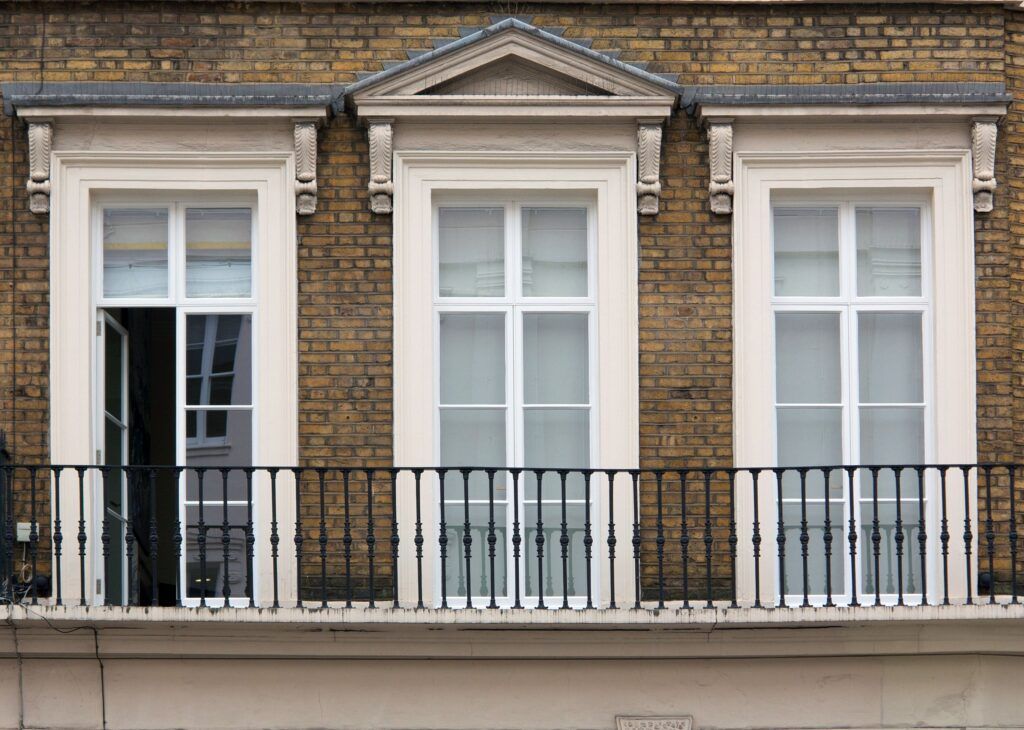
The Future Homes Standard will ensure that new homes built from 2025 produce 75-80% less carbon emissions.
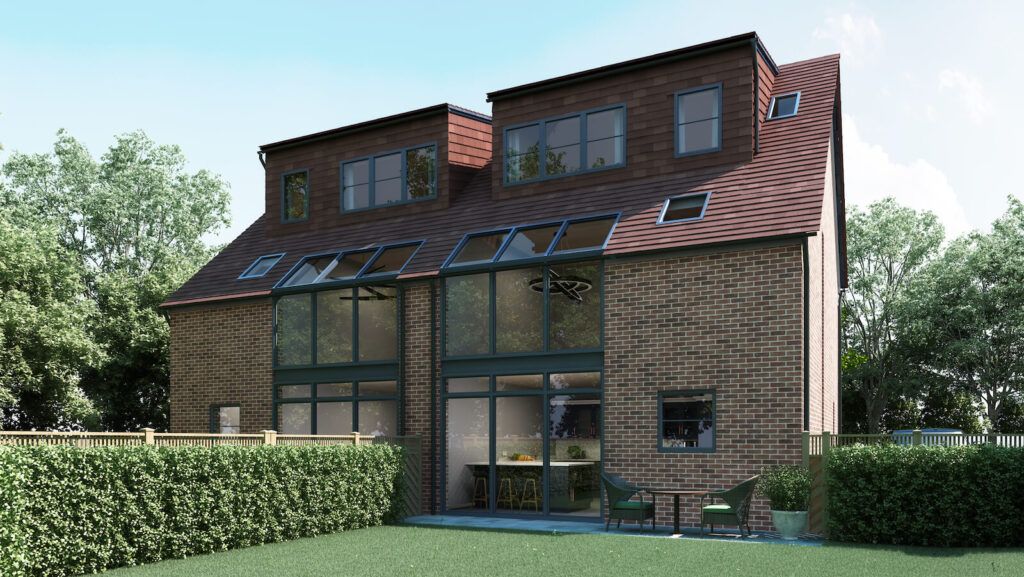
So how can we achieve this?
In regards to town planning and urban design, architects and designers are considering many elements to achieve sustainable design. These include:
- Planning for more green spaces – which also, in turn improves air quality (more trees), encourages people to be more active, reduces energy consumption and improves water quality.
- Reduce energy consumption of buildings – so consider HOW a building is heated and so on.
- Encouraging the reduction of waste.
- Planning for sustainable mobility option – leading to less private cars.
- Planning for ‘denser’ areas. This seems an odd one, but the ‘compact’ nature of a city design can play an important role in sustainable urban design. It can make public transport more efficient and practical, as people are traveling shorter distances between their daily destinations. Denser areas also mean less space is used, reducing damage on natural areas and so on.
Net Zero Building
So what exactly is a net zero building?
A net zero building is one that has no net carbon emissions during it’s construction and operation.
Carbon offsetting in a nutshell means measuring your Carbon Footprint, and then taking action to mitigate it by investing financially in carbon offsetting projects that contribute net positively to Carbon reduction.
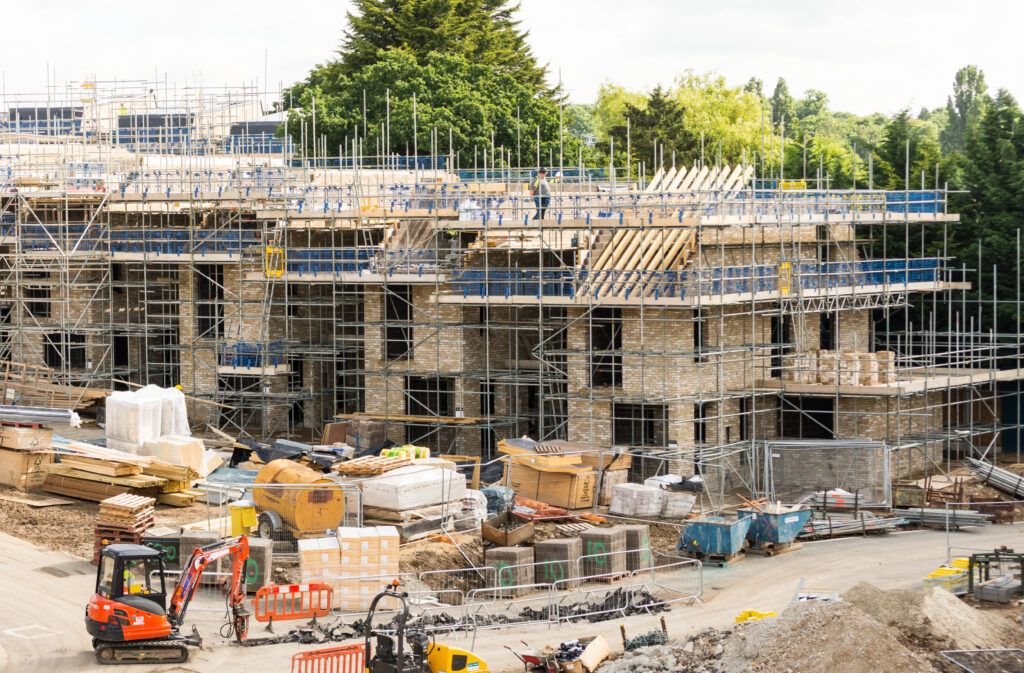
The UK Green Building Council’s (UKGBC) Net Zero Carbon Buildings: A Framework Definition document helps to explain things a little more.
It defines what achieving net zero carbon emissions means in terms of two approaches: the construction of a building; and the operation (in-use energy consumption) of it.
For a building’s construction, the net zero definition provided is “when the amount of carbon emissions associated with a building’s product and construction stages up to practical completion is zero or negative, through the use of offsets or the net export of on-site renewable energy.”
For a building’s operational energy, it is “when the amount of carbon emissions associated with the building’s operational energy on an annual basis is zero or negative.”
A net zero carbon building is “highly energy efficient and powered from on-site and/or off-site renewable energy sources, with any remaining carbon balance offset.”
Phew! That take some figuring out right?
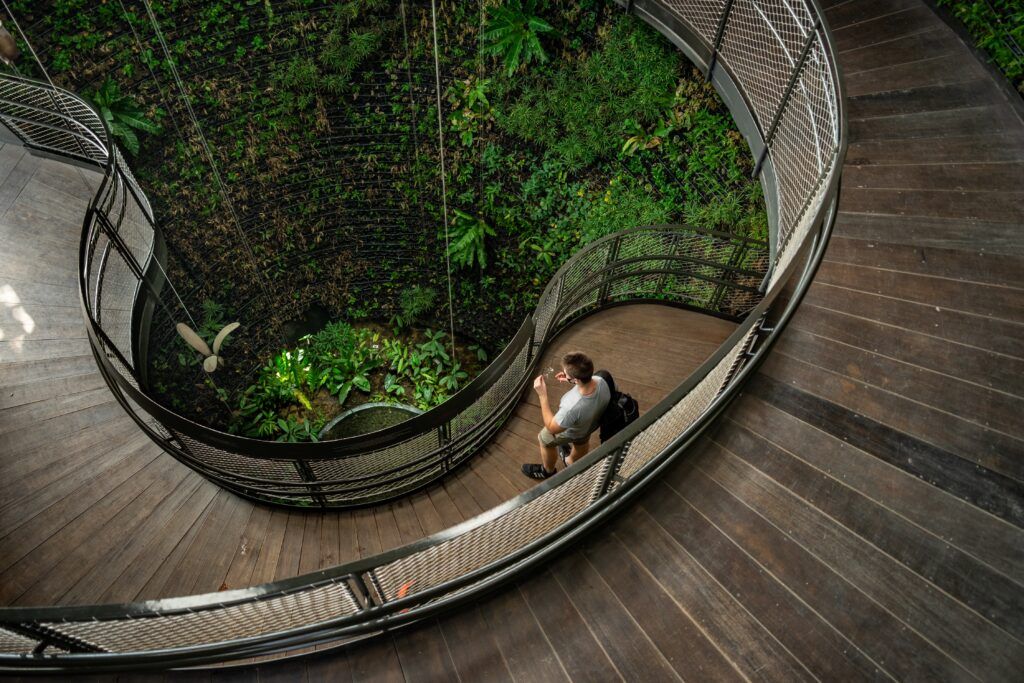
Sustainability in residential interior design.
So how can interior designers and those designing products for interiors help?
Designers can achieve sustainability in interior design using renewable, recyclable, and biodegradable materials. For example, using bamboo instead of hardwood for flooring.
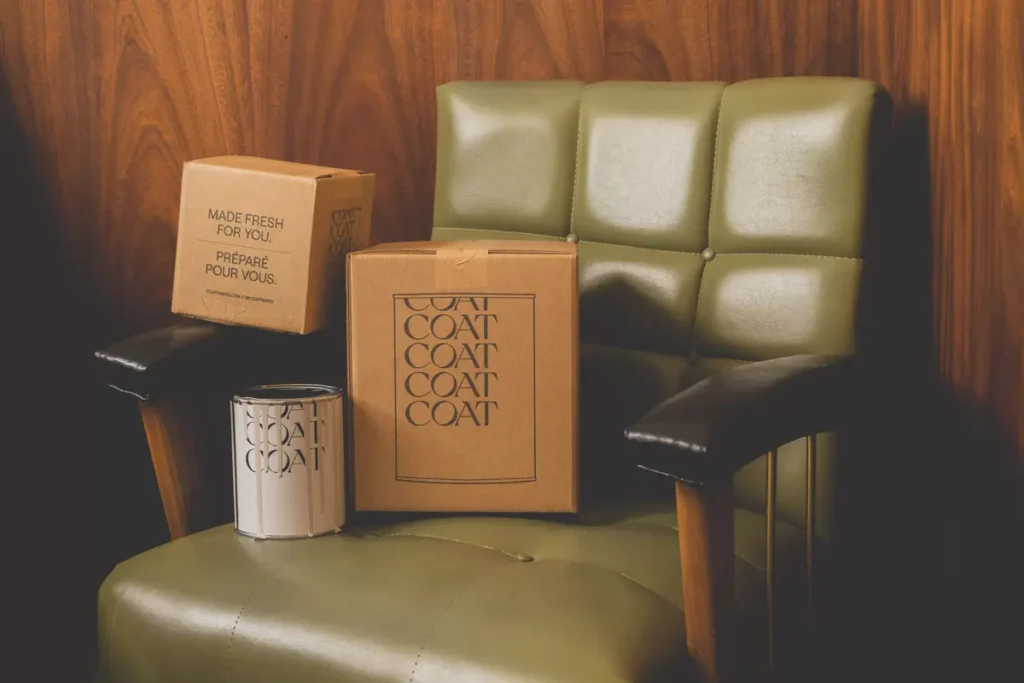
Using non toxic materials – think Low VOC (volatile organic compounds) paints. Introduce biophilic elements (read how here) and Smart Home tech. Recycling furniture and looking at ways we can buy less and repurpose more.
As a designer, you can encourage your clients. Suggest ways to re-use something they already have, materials that previously may have been thrown away or whole kitchens they are ready to demolish. Asking the questions, is it really necessary to completely replace things is a really good place to start.
If your clients are really keen to buy new – which, let’s face it, many are – then consider WHERE and WHAT you are specifying. Opt for sources that you are confident are not only ethical (the people producing them are being paid fairly, are working in acceptable conditions etc) but also has a sustainability practice in place.
Buying local
This is a big part of encouraging sustainable interior design. Despite the fact that most people agree buying second-hand (antique/retro/pre-loved) is undoubtedly better for the environment, many do not see how shopping locally is also a more sustainable idea.
Consider how far you travel to pick up that one item and could you have got that nearer home? Try to lessen the number of journeys you have to take, probably by car. There are also the wider community benefits of shopping locally.
Buying wood furniture is a better option than plastic you would think? This really is only true if the wood is reclaimed. But wood will last longer and can be repaired more easily.
The fewer new trees that are cut down the better – is the crux of it.
Advice from the SBID
The Society of British and International Interior Design (SBID) – the UK’s largest membership organisation for the interior design profession – suggests their members consider these key principles when trying to make their interiors more environmentally friendly:
Waste Reduction
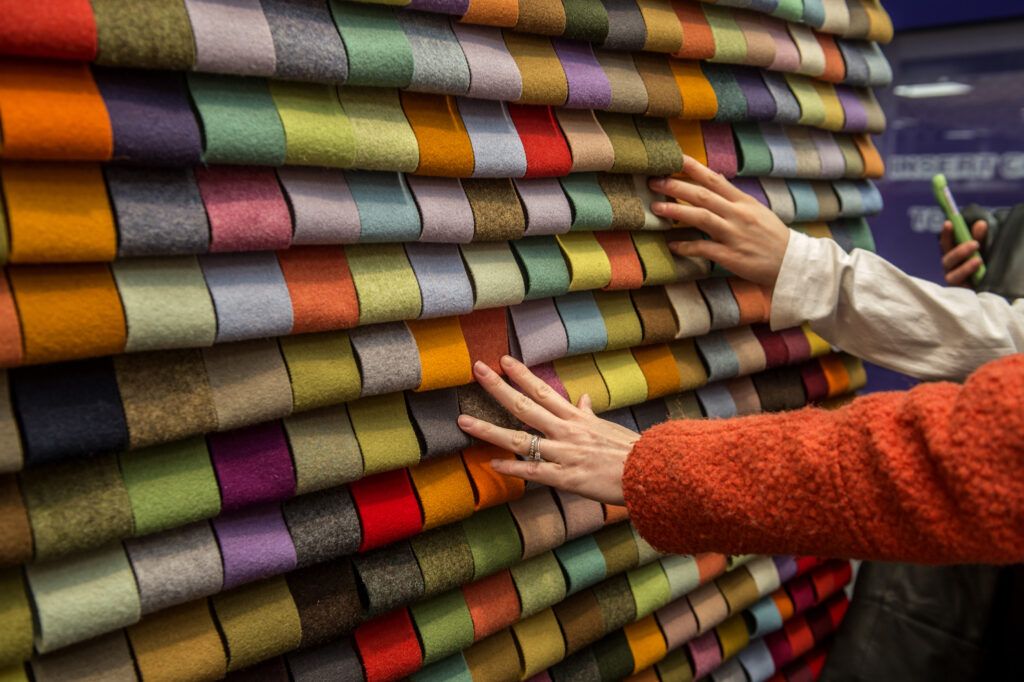
Using sustainable materials within a design. These can be wide and varied and include reclaimed wood, bamboo, recycled metal, cork and jute fibres to name but a few. Take a look back at our blog on what we saw at the Surface Design Show for more ideas on this.

Energy Efficiency
As the consumption of energy is one of the major contributors to rising CO2 levels, it’s clearly top of the agenda. SBID recommend designers work to improve a building’s energy efficiency by providing renewable, non-carbon based energy. Also reducing the amount of energy needed for heating, lighting and appliances – through using more natural light sources, fitting insulating window treatments and stopping heat escaping.
Longevity
Consider the lifespan of any materials you are using. Designing durable and timeless spaces that will stand the test of time is key. A big part of this is learning to design spaces that are adaptable – after all, our needs change over time. Being able to move and replace elements in a room means less need for big renovations.
Finally, it’s worth learning what suppliers and companies you can work with that offer sustainable materials. From paint companies that strive for zero VOC through to artists that are making furniture from recyclables. It’s all about education and awareness.

How Oil Studios can help
With that in mind, next time you are considering a costly and time consuming – not to mention heavy on the air miles – photo shoot to market your new product range, remember there is a much more sustainable way to do it. Through CGI. Here at Oil Studios, we offer a wide range of CGI and design services to help you showcase your product.
From your imagination to your clients, your ideas, brought to life. We elevate your presentation to the next level with photorealistic CGI’s, videos, and more.Take a look at some examples here on our website.