
In the realm of hotel and hospitality design, the ability to effectively communicate design concepts is paramount. As designers strive to bring their visions to life, the integration of photo-realistic 3D renderings into the design process has proven to be a game-changer. In this blog post, we’ll explore the myriad advantages of leveraging 3D rendering for hotel and hospitality design, and why choosing the right rendering partner is crucial for success.
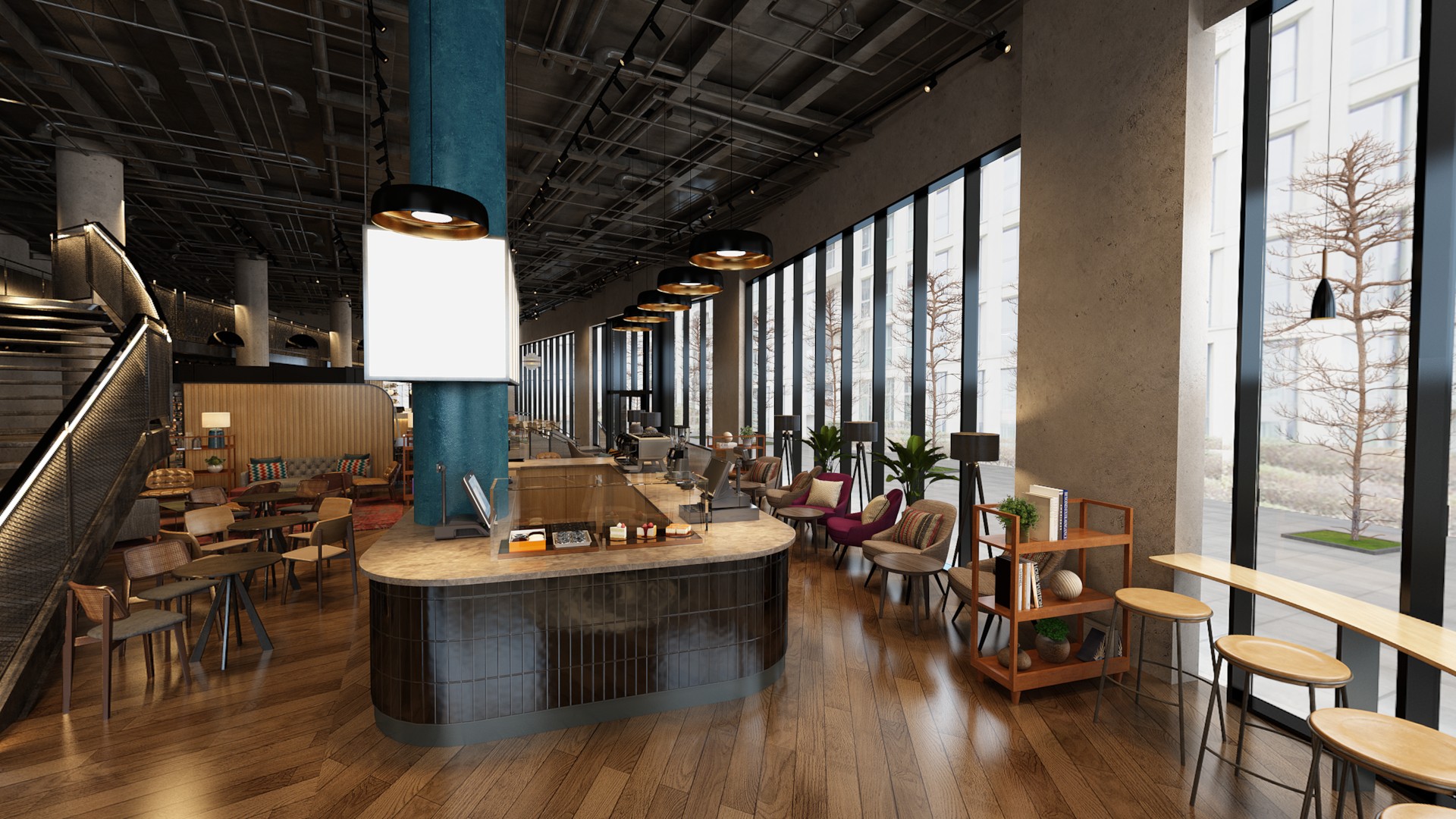
Clear Communication of Design Vision
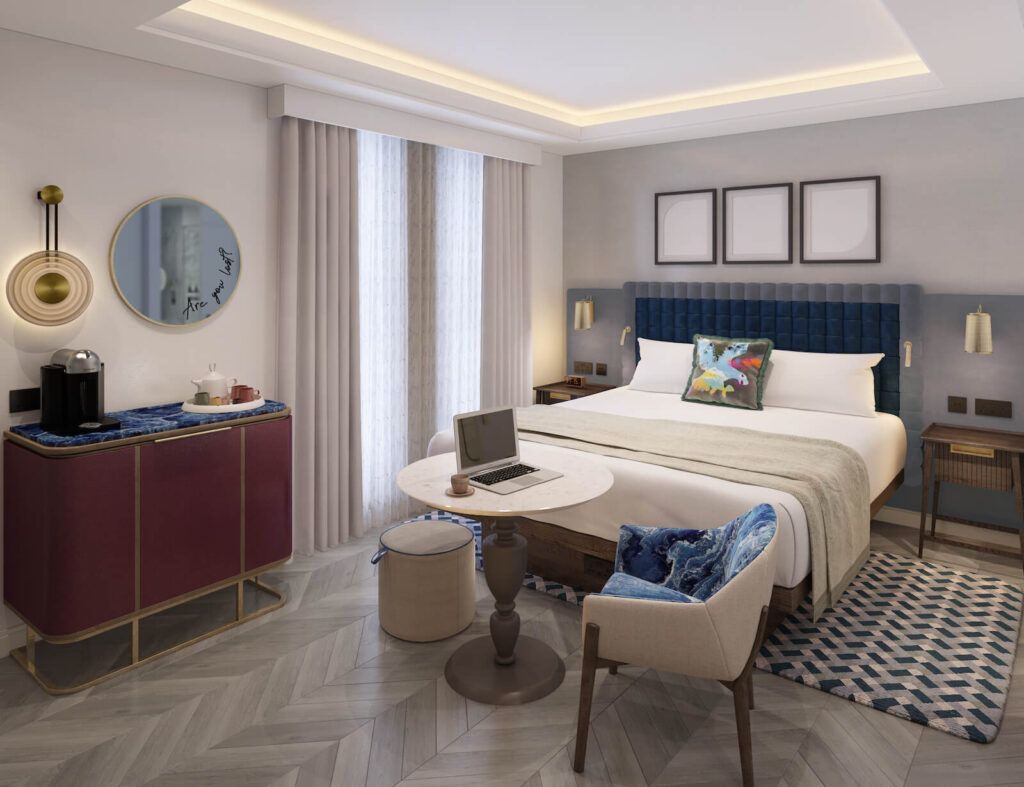
One of the primary benefits of utilizing 3D rendering in hotel design is the ability to clearly communicate the design vision. Traditional methods may fall short in conveying the depth and intricacies of a design concept. On the other hand, Photo-realistic 3D renderings, provide a tangible and immersive representation. Enabling clients to visualize the space in a way that 2D drawings or sketches cannot.
3D rendering for hotel design – Expediting Design Decisions
In the fast-paced world of hospitality design, swift decision-making is crucial. 3D rendering expedites this process by offering a lifelike preview of the design. Clients can explore various designs, lighting scenarios, and material choices, making it easier to make informed decisions quickly.
Improved Communication with Stakeholders
Effective collaboration with suppliers, contractors, and build teams is a cornerstone of any build project. 3D renderings serve as a universal visual language, facilitating clearer communication and understanding among all stakeholders. Therefore, ensuring smoother execution during the construction phase, minimizing misunderstandings and delays.
3D rendering for hotel design – Professionalism in Design Presentations
Presenting a professional image and confidence is vital in the competitive world of hospitality design. Photo-realistic 3D renderings not only showcase a designer’s commitment to precision and detail but also convey a level of professionalism.
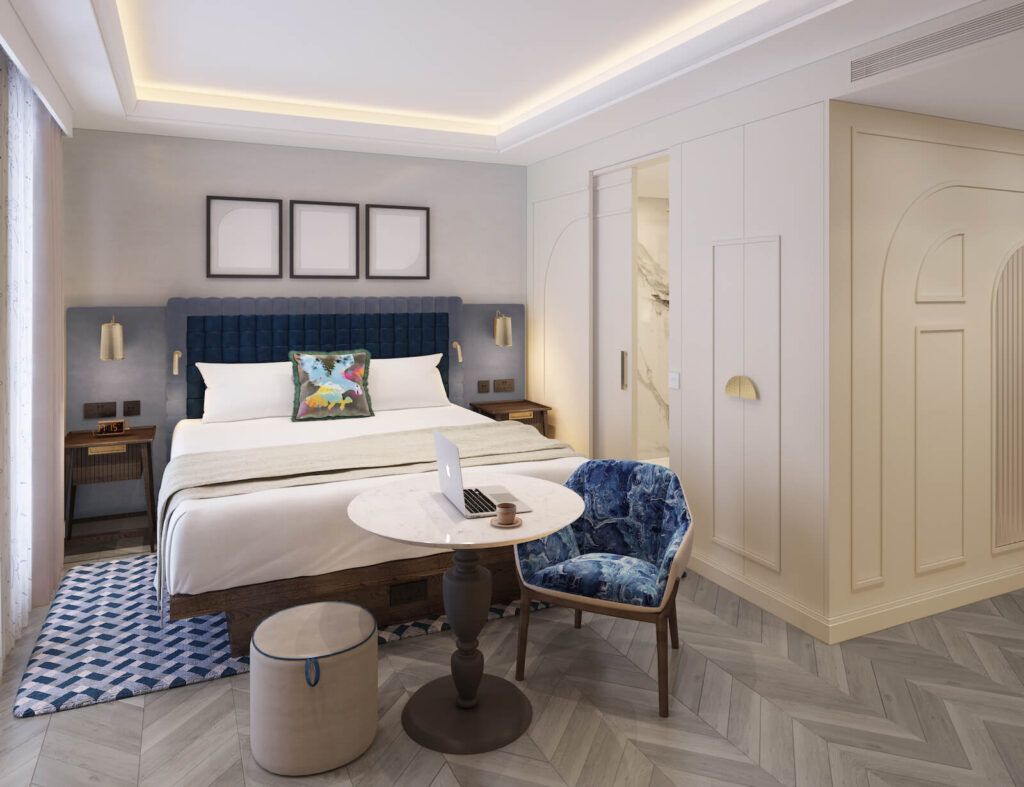
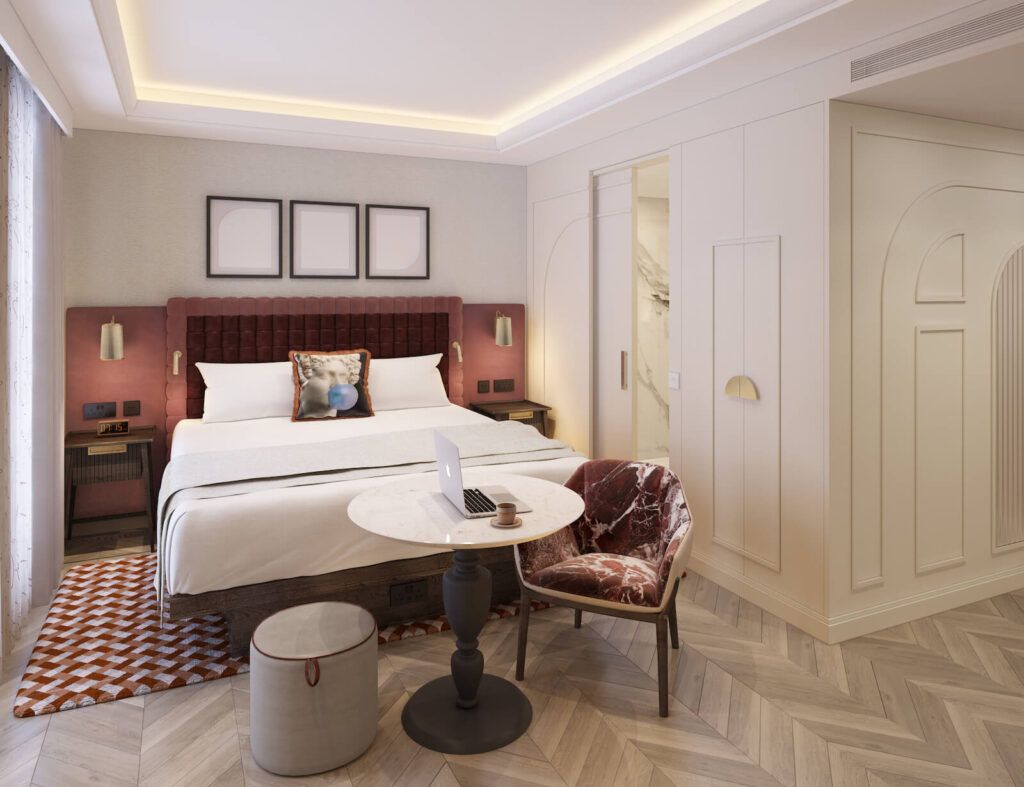
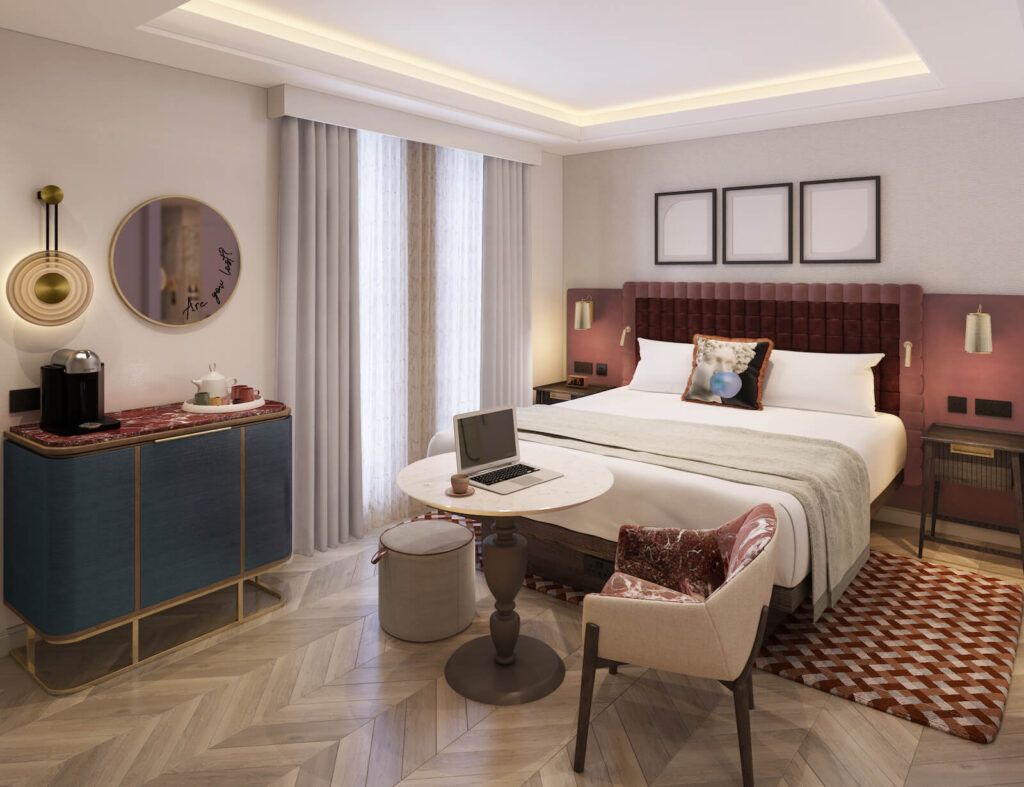
Versatility in Design Options
Hospitality design often involves exploring various design options and color schemes. 3D rendering allows designers to present different scenarios effortlessly. Whether it’s altering the colour palette, experimenting with layouts, or testing furniture selections, clients can grasp the impact of these changes instantly.
Multi-Purpose Use 3D rendering for hotel design
The utility of 3D renderings extends beyond the design phase. Clients can use these images to brief build contractors and for their marketing, creating a seamless transition from design presentation to promotional materials. This multi-purpose use enhances the value of 3D rendering in the overall design process.


Choosing the Right 3D Rendering Partner
Selecting the right 3D rendering company is paramount to the success of hotel and hospitality design projects. Look for a partner that not only delivers professional-level detail but is also flexible, responsive, and easy to work with. Find a company that understands the nuances of hospitality design, can adapt to design changes without excessive fees, and is committed to preserving the design intent.
Conclusion
In the realm of hotel and hospitality design, integrating 3D rendering into the design process is a strategic move towards clearer communication and informed decision-making. The ability to visualise designs in a realistic way not only enhances the client experience but also sets a standard of professionalism for designers. As the hospitality designs evolve, 3D rendering proves to be an indispensable tool to create impactful and visually stunning spaces. Choose your rendering partner wisely, and unlock the full potential of 3D rendering in hotel and hospitality design.