
In the fast-paced world of property development, gaining a competitive edge is paramount. 3D visualisation tools have emerged as a game-changer, revolutionizing the way property developers bring their visions to life and market their projects. In this blog post, we’ll delve into the myriad uses and advantages of 3D visualisation tools, exploring their impact on planning proposals, marketing campaigns, stakeholder communication, and the overall success of property development ventures.
Streamlining Planning Processes
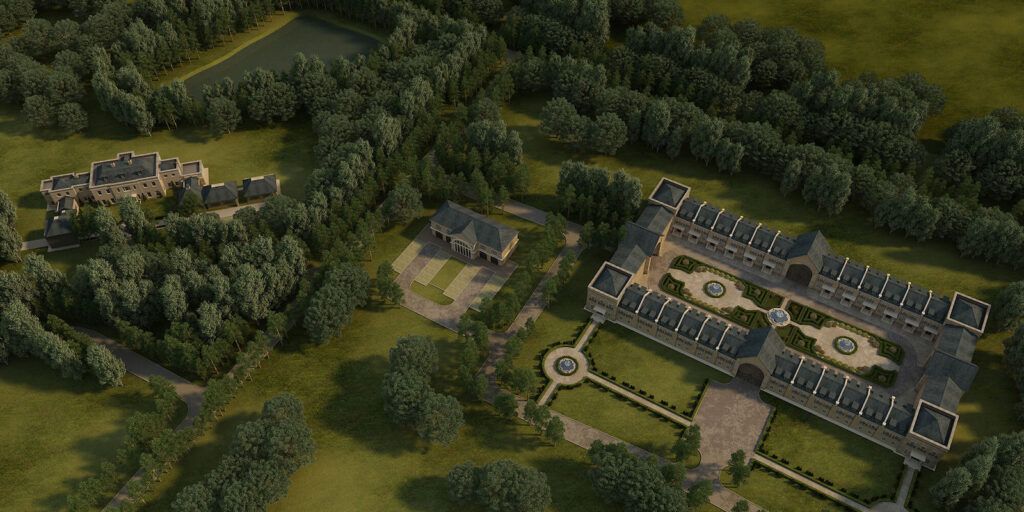
Submitting planning proposals can be a complex and time-consuming task. 3D visualisation tools, such as 3D renderings and flythrough videos, expedite this process by vividly communicating the design intent. Clear visuals help avoid queries and misunderstandings, facilitating a smoother path towards planning approval. This efficiency is especially crucial in the competitive race to secure valuable development opportunities.
Early Marketing Initiatives
One of the key advantages of 3D visualisation tools is their ability to kickstart the sales and marketing campaign long before construction begins. Compelling visuals capture the essence of the project, attracting potential buyers and investors early in the process. This early engagement can be a game-changer in gaining funding from banks and investors who have confidence in well-presented, realistic designs.
Communicating Clearly with Stakeholders using 3d visualisation
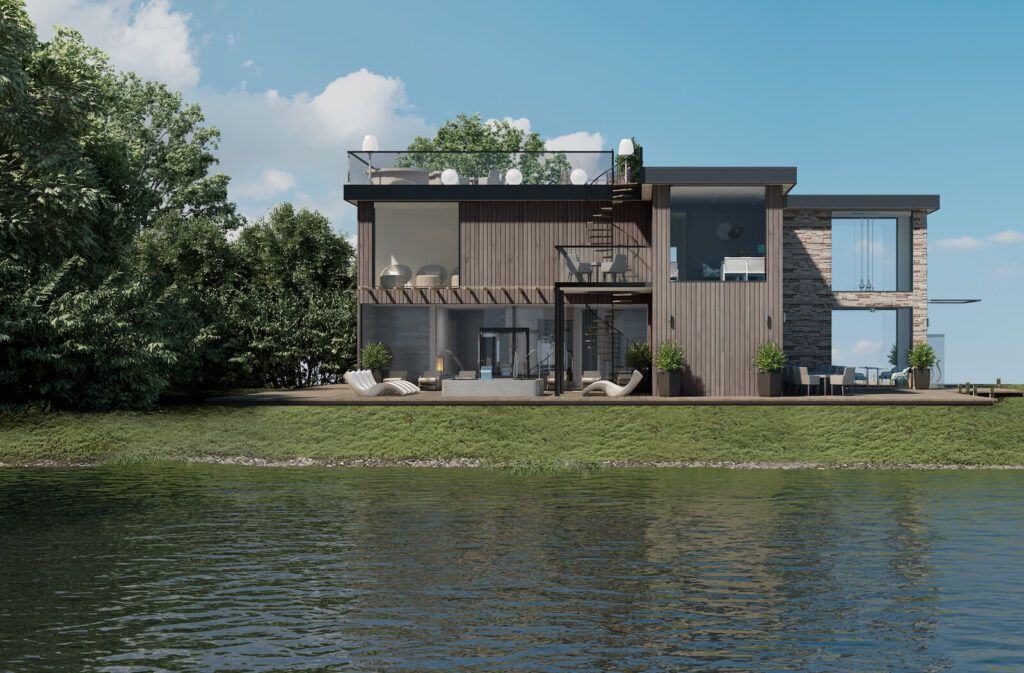
Effective communication is the linchpin of successful property development. 3D rendering tools bridge the gap between developers, clients, build teams, and contractors. Clear and realistic images help convey design nuances, reducing the likelihood of mistakes and misunderstandings during the construction phase. This fosters collaboration and ensures that the final result aligns with the original vision.

Types of 3D Visualisation Tools
3D Renderings:
Advantages: Still images that showcase the design from different angles with high detail. Check out some lovely examples
Use Cases: Planning proposals, marketing materials, client presentations.
3D Flythrough Videos:
Advantages: Dynamic, immersive walkthroughs that bring the design to life.
Use Cases: Marketing campaigns, investor presentations, client walkthroughs.
Interactive 360-Degree Virtual Tours
Advantages: Fully immersive experiences that allow users to explore spaces interactively.
Use Cases: Selling off-plan, Marketing websites, client presentations, remote property tours.
Choosing the Right 3D visualisation Partner
Selecting the right 3D rendering services partner is a critical decision. Consider the following factors:

Quality of 3D Images
Ensure the partner can provide high-quality, realistic images that will impress your stakeholders.
Service Levels and Responsiveness
Opt for a partner with excellent service levels and responsiveness to meet tight timelines. Check their client testimonials and responsiveness.
Cost Considerations for 3D visualisation
While costs vary based on the project scale, choose a partner that offers transparent and reasonable pricing, allowing for design changes along the way.

Add-Ons for Comprehensive Property Marketing
Beyond 3D visualisation, some partners offer additional services like web landing pages and sales brochures. These seamlessly integrate with the visual content, providing a comprehensive one-stop property marketing solution.
Conclusion
In the realm of property development, 3D visualisation tools have become indispensable for achieving faster sales and overall success. From facilitating planning approvals to early marketing initiatives and effective stakeholder communication, the benefits are manifold. Choosing the right partner is key, as their expertise, service levels, and responsiveness will impact the efficiency and success of your projects. Embrace the power of 3D design visualisation and propel your property development ventures to new heights.